The Summer I Built A Lego Sorting Robot: Alex
Updated: Aug 30
Last year in 7th grade, I decided to try something new and join 4-H. When I found out that 4-H offered Robotics projects, it seemed like a great way to learn more about how to build a robot and share what I learned with others. Here's what I did for my first year in 4-H and how it all turned out!
Why I Chose To Build A LEGO Sorting Robot
My family and I are big LEGO fans. I started building with LEGOs when I was six years old and my passion for them is still here today. Between my brother and I, we have a bunch of different LEGO sets and pounds and pounds of loose LEGOs. Loose LEGOs mean there is a lot of organization needed to keep them all together. My family and I have been trying to keep things organized using only human effort.
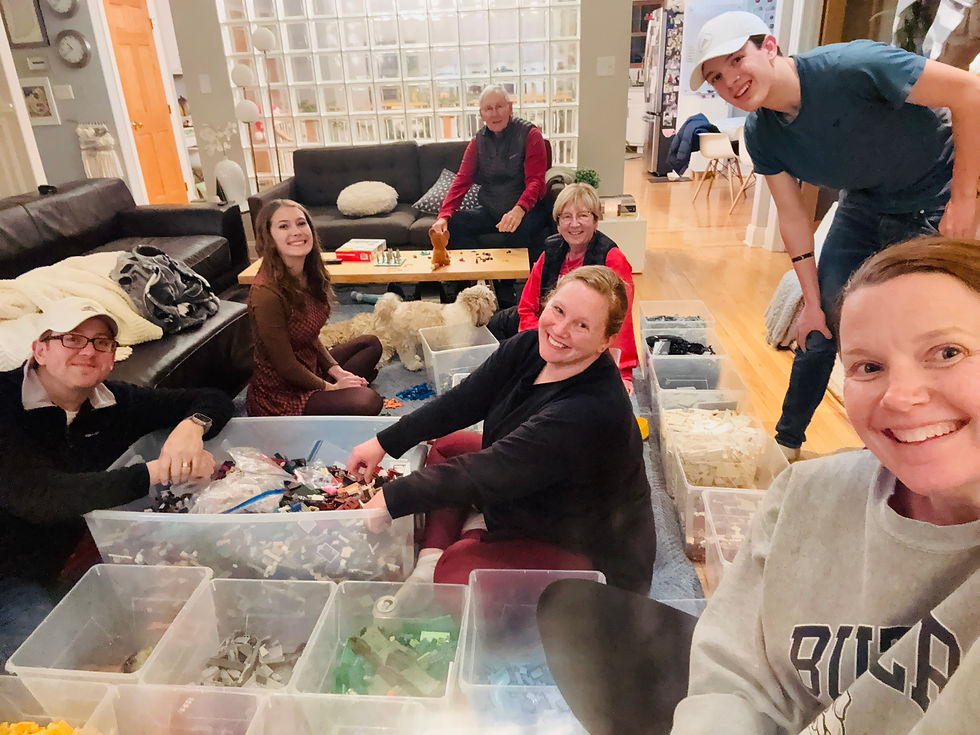
Challenges with this method: Even with up to eight people helping, this method of sorting and organizing LEGOs took a long time and a lot of human effort. It's a challenge to get through as many LEGOs as we have, even with a lot of hands.
Another challenge my family has with this method of sorting: Color blindness. Three of my family members are color blind, making this sorting process quite challenging for them.
I knew there had to be an easier way to help my family make the LEGO sorting process easier, more automated, and with less human effort that could help other families too.
The Design Decision Process
The 4-H Robotics 3 requirements stated my project must complete a task using multiple sensors, must be autonomous, Text Based, cannot be controlled remotely, and could use any type of motors, pneumatics, or sensors. These requirements had me brainstorming about ways to use robotics materials I know how to use like Raspberry Pi and Arduino to create an automatic LEGO sorter.
One idea I explored was creating a robotic arm picker powered by sensors and motors with a color sensing camera. I had experience with building and coding a small robotic arm from a previous project I had done at home, but I was worried about the robotic hand being able to pick up the LEGO pieces in the same way a human hand could.
A second idea I looked at was creating the color sorting automation idea using a conveyor belt as the feeding mechanism for the LEGOs. My idea was to add servo-controlled blocks along the belt that would sweep the blocks to their correct color bin alongside the conveyor belt. The block color would be sensed be a camera. The challenge with this idea was the conveyor belt was not long enough to support the time needed for the camera to sense the color. The other issue was there were not enough attachment points along the side of the conveyor belt for the number of servo motors needed. I still really liked the idea of using the conveyor belt to transport the LEGOs though.
Then I thought about using my experience with servo motors on past projects I have done at home. I wanted to see if it was possible to sort at the end of the belt, but with redirection of the blocks into their correct color bin. The sorting of the blocks could be done through a tube - kind of like how "Mario" and "Luigi" make their way through "Super Mario Bros." The servo motor could move the tube at the end of the belt to feed the blocks into their right color bin.
This last idea seemed the most possible and was the basis for the project I showed this year.
The LEGO Robotic Sorter: Creating The Final Design
Once I decided that I was going to try to create the LEGO Robotic Sorter with the conveyor belt base, I had to plan for how the whole robotic structure could be built.
One of the first designs I put together included:
Conveyor Belt - To feed the LEGO bricks to the sorting cups
Sensor - To figure out the color of each LEGO brick
3-D Printed Sorting Cups - To collect the LEGOs by color at the end of the conveyor belt
Servo Motor - To turn the color sorting cups at the end of the conveyor belt
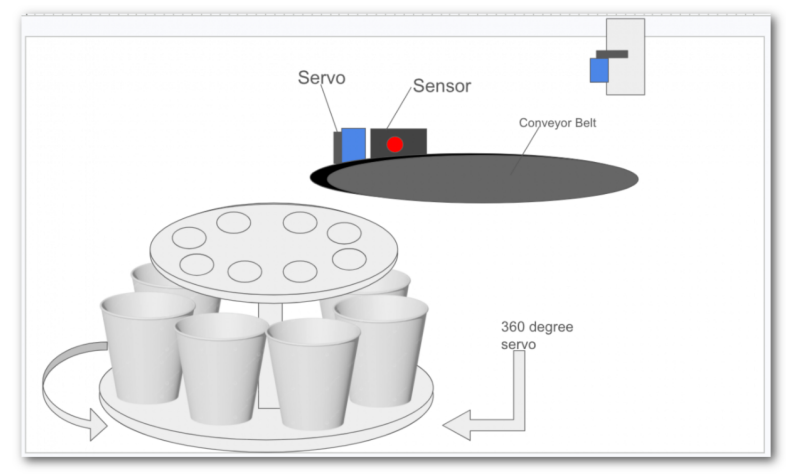
This first design did not include the tube functionality. My first thought was the cup holder could turn based on the color of LEGO detected by the sensor to feed into the sorting cup. After reviewing this design, there was going to be more structure (weight) to move to complete the sorting process. I went back to see if there was a way to keep the sorting cups in place and have a smaller piece of the project move to complete the sorting step.
After considering a couple of different designs, I decided to create a LEGO sorter with:
Conveyor Belt - To feed the LEGO pieces to the sorter
Sensor - To see the color of the LEGO piece
3-D Printed Sorting Container - A 270-degree bin with 5 different sorting cups
3-D Printed Tube - To feed the LEGO bricks to the right cup
Servo Motor - To turn the 3-D printed tube to the correct sorting cup

Want to see the final robot in action?
Where I Shared This Project
In the middle of July, I got the chance to present my LEGO Sorting Robot at the DeKalb County 4-H General Project Show. I had the best day sharing the details about how I created, designed, programmed, and printed this project and showing how it works! I was really proud to receive a blue ribbon for my project, was chosen to present my project at the Illinois State Fair 4-H General Projects Show, and was awarded the Best STEM Project of the DeKalb County show!
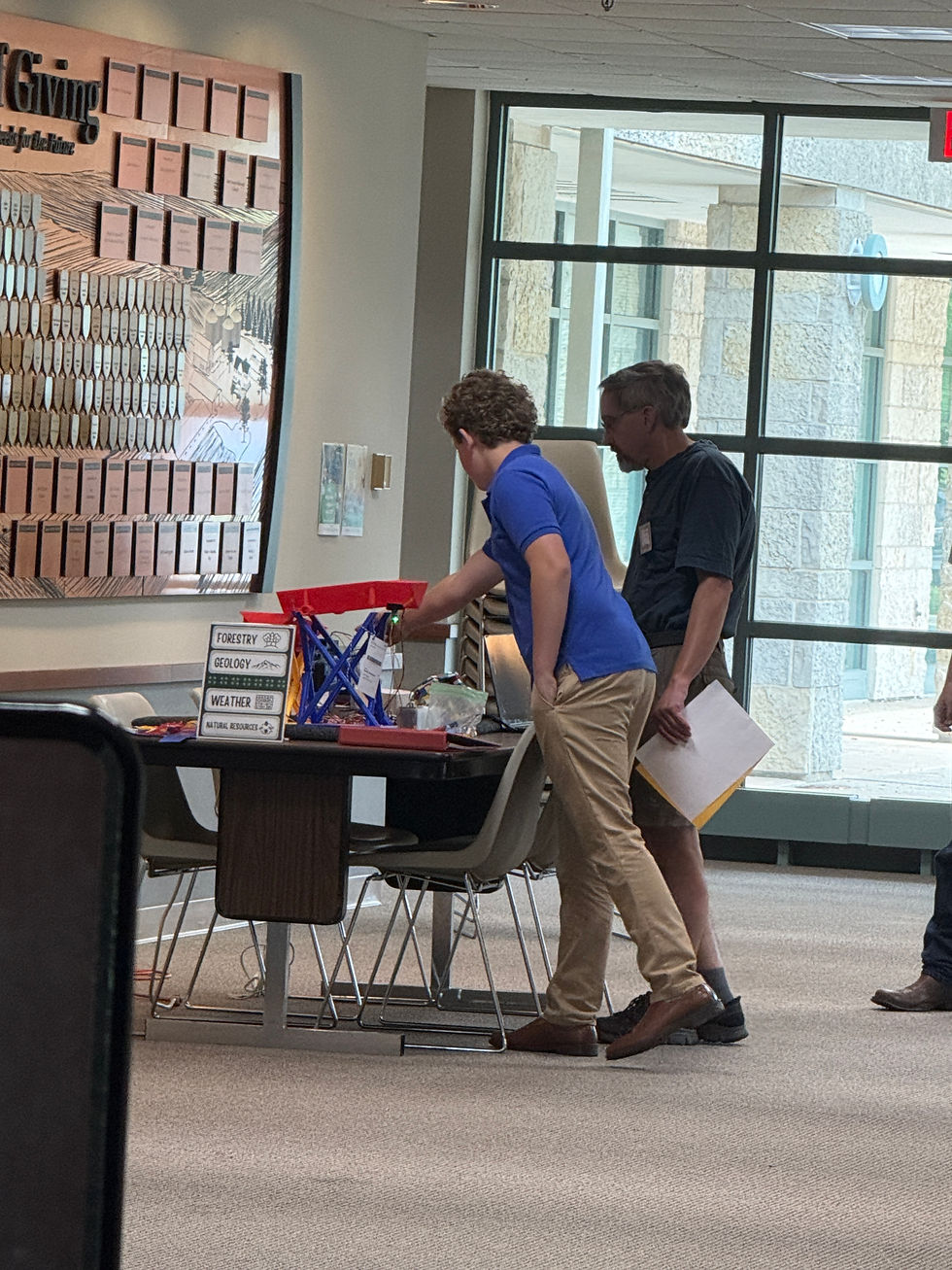
Then in August, I got to show my project at the Illinois State Fair 4-H General Project Show and it was amazing! I got to share my project with so many excited kids and adults and I even was interviewed by a central Illinois radio station. I was kind of nervous because I knew I was going to get to present my project and all of my knowledge to the judge, but it ended up going so well! I was awarded the Grand Champion award for Robotics 3 and I also received the Inspire Award from the Illinois State Fair 4-H judges!


Comments